The short answer
Yes — dog cooling vests work, but only the way they are built to. The common evaporative “swamp cooler” style is not magic fabric that stays cold on its own. You soak it in water first, and as that water slowly evaporates it pulls heat away from your dog’s body. While the vest is wet and actively evaporating it measurably cools; once it dries out it does nothing, and in very humid air it helps much less because evaporation itself slows down.
How evaporative cooling works for dogs
Dogs do not sweat across their skin the way people do — they cool themselves primarily by panting. An evaporative vest adds a second cooling pathway: it holds water against the dog’s torso, and evaporation consumes heat as the water turns to vapor. That is the same physics that makes a wet shirt feel cold in a breeze. The vest manufacturer Ruffwear describes its Swamp Cooler line exactly this way: a wetted, breathable fabric that cools as it dries.
The practical consequences are the whole story:
- It must be wet to work. A dry cooling vest is just a vest. Soak it thoroughly before you start, and bring extra water to re-soak.
- Wind and low humidity help; still, humid air hurts. The faster water can evaporate, the more heat it removes.
- It is a margin extender, not a force field. It lets a working dog stay cooler in warm weather; it does not make extreme heat safe.
When a cooling vest earns its place
A cooling vest makes the most sense for active dogs in warm (not dangerously hot) conditions: a morning hike as the day warms up, trail running, or agility and working sessions. For these uses, the vest takes the edge off so your dog can keep moving comfortably.
When not to rely on one
A cooling vest cannot protect against the conditions that cause the most harm. Avoid the hottest hours, skip exercise when the air is dangerous, and remember that pavement can burn paws well before the air feels unbearable to you. Flat-faced (brachycephalic) breeds, seniors, overweight dogs, and dark-coated dogs overheat faster than others and need more conservative limits regardless of gear.
Know the heatstroke signs
This is the part that matters more than any vest. Get your dog into shade, offer cool (not ice-cold) water, and wet them with cool water — and contact a veterinarian — if you see:
- heavy, relentless panting or gasping
- thick drooling
- bright red or pale gums
- wobbliness, stumbling, or collapse
- vomiting or diarrhea
Cooling gear helps a healthy dog stay comfortable in warm weather. It does not replace shade, rest, water, and the judgment to stay home when it is simply too hot.
Frequently asked questions
Do dog cooling vests actually work?
Yes, but only the way they are designed to. Most dog cooling vests (like evaporative swamp-cooler styles) work by soaking the vest in water so that as it slowly dries, evaporation pulls heat away from your dog's body. They lower surface temperature while wet and actively evaporating — they do nothing dry, and they work poorly in very humid conditions where evaporation is slow.
How long does a dog cooling vest stay effective?
Roughly one to a few hours depending on heat, wind, and humidity, after which the vest needs to be re-soaked. Effectiveness drops sharply once the fabric dries out, so plan water and re-wetting stops on hot hikes.
Do cooling vests work in high humidity?
Less effectively. Evaporative cooling depends on water being able to evaporate, and humid air already holds a lot of moisture. In very humid weather a cooling vest helps less, and the bigger risk becomes the heat itself — shorten exposure and prioritize shade, rest, and water.
Can a cooling vest prevent heatstroke on its own?
No. A cooling vest is an aid, not a safeguard. Dogs cool mostly by panting and can still overheat, especially brachycephalic (flat-faced) breeds, seniors, overweight dogs, and dark-coated dogs. Watch for heavy panting, drooling, wobbliness, vomiting, or bright red gums, and get your dog into shade and cool (not ice-cold) water immediately if you see them.
When should I not rely on a cooling vest?
During the hottest part of the day, on pavement hot enough to burn paws, or for intense exercise in extreme heat. In those conditions the safer choice is to skip the hike or move it to early morning. A vest helps a dog that is already working in warm weather; it does not make dangerous heat safe.
Related gear
Ruffwear
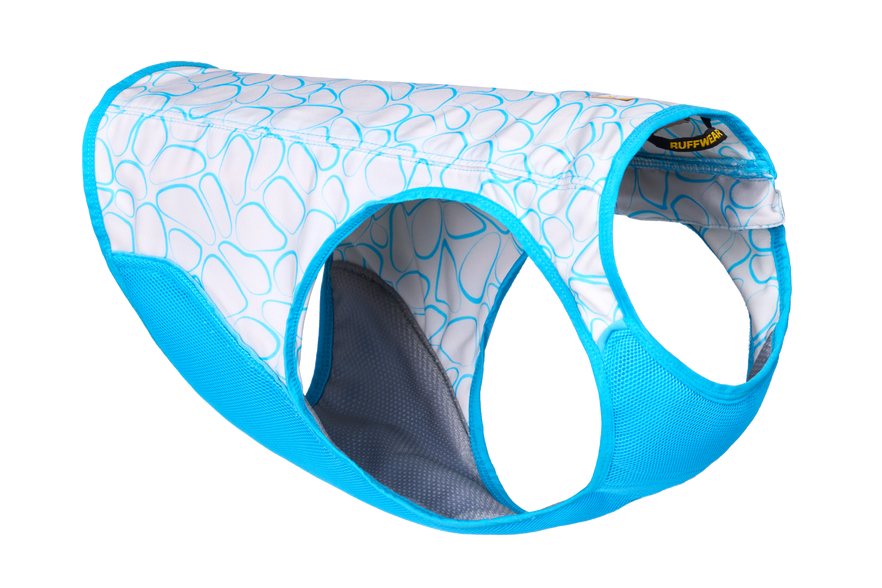
$59.99Ruffwear Swamp Cooler Zip — Research Review
The Ruffwear Swamp Cooler Zip is an evaporative cooling vest designed for light-and-fast, high-intensity hot-weather activities. It uses a three-layer evaporative construction plus a spandex back panel for a form-fitting, lightweight feel, offers SPF 50+ sun protection, and features a zippered closure. The vest must be soaked before use and re-wetted as it dries; it is noted as having reduced effectiveness in high humidity and is intended where a full-coverage vest would be too warm.
Ruffwear
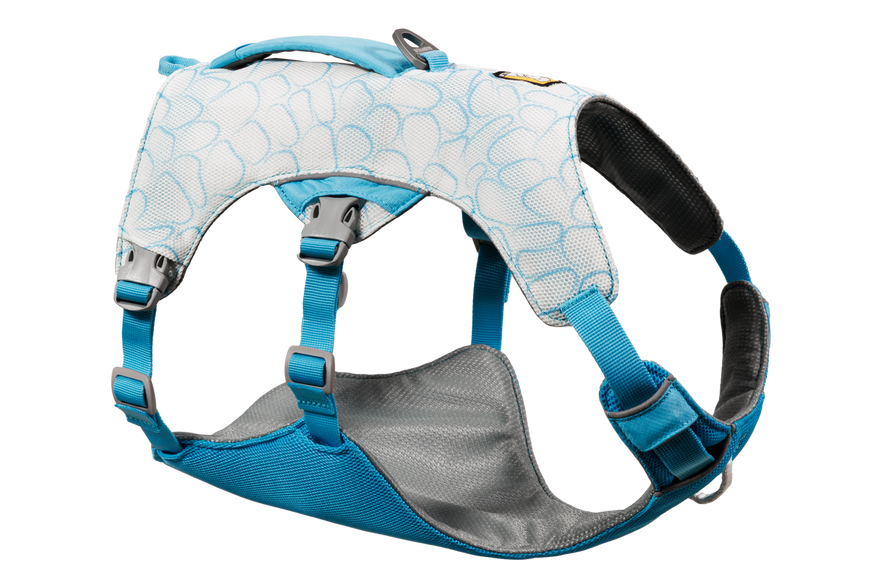
$84.99Ruffwear Swamp Cooler Harness — Research Review
The Ruffwear Swamp Cooler Harness combines an evaporative-cooling fabric system with a three-strap harness platform. It is presented by the manufacturer as an all-in-one cooling and harness solution for hot-weather hiking and walking, with material construction and hardware intended to support outdoor use while delivering sun protection.
Sources & research
Read our research methodology and editorial standards →
- Veterinary Heatstroke in pets — prevention and signs (AVMA)
- Manufacturer Swamp Cooler — how evaporative cooling works