Start with one question: where will your dog be?
The single most important factor in choosing a dog GPS tracker is whether you need to know your dog’s location where there is no cell service. Your answer splits every product into two fundamentally different technologies — and a tracker that is excellent in one camp is useless in the other.
The two technologies
Cellular subscription trackers (Tractive, Fi, and similar) put a cell modem and GPS in the collar and send your dog’s position to an app over a cellular network. The upside is reach: you can see your dog from anywhere with cell coverage, with no separate device to carry. The cost is a subscription that pays for that network access, and the hard limit that the tracker goes silent wherever there is no cell signal.
Radio collar-and-handheld systems (Garmin Alpha and similar hunting/ranch systems) pair a collar with a handheld GPS unit you carry; the two talk to each other over radio. The upside is that they work deep off the grid with no subscription. The cost is a higher up-front price, the need to carry and keep charged a second device, and a learning curve.
The trade-offs that actually matter
- Total cost, not sticker price. A cheap cellular tracker with a multi-year subscription can cost more than a radio system. Multiply the subscription out over the years you expect to own it.
- Battery versus update rate. A collar that lasts months between charges is transmitting less often. There is no free lunch: long battery and second-by-second live tracking pull in opposite directions.
- Fit and weight on your dog. A tracker only works if your dog wears it. A bulky collar a small dog hates is worthless, which is why compact options exist for smaller dogs.
- Durability and water resistance. Trail dogs swim, roll, and crash through brush. Confirm the collar’s water rating for how your dog actually behaves.
A quick way to decide
If your dog is an everyday escape risk or you hike where there is reliable cell coverage and you want to see them on a map instantly, a cellular subscription tracker fits. If you hunt, ranch, or go deep enough that cell service is gone, only a radio system will track your dog at all — and the subscription you avoid helps pay for the hardware.
Frequently asked questions
Do dog GPS trackers require a monthly subscription?
Most consumer dog GPS trackers do. Cellular trackers like Tractive and Fi use a cell network to send your dog's position to your phone, and that network access is paid through a monthly or annual subscription. Radio collar-and-handheld systems like the Garmin Alpha do not charge a subscription because they communicate directly with a handheld you own.
What is the difference between a cellular tracker and a radio collar?
A cellular tracker shows your dog on a map from anywhere with cell coverage, with no separate device to carry, but stops working where there is no cell service. A radio system pairs a collar with a handheld you carry and works far off the grid, but you must have the handheld with you and within radio range.
How accurate is a dog GPS tracker?
GPS accuracy is typically within a few meters to tens of meters depending on satellite view and terrain; tree cover, canyons, and buildings degrade it. Live cellular trackers update on a cadence (often seconds to minutes in live mode), while radio systems show position relative to your handheld in closer to real time.
How long does the battery last?
It varies widely by design. Some cellular collars last days to weeks between charges; others, like Fi, can last weeks to months in low-power home mode but update less often when the dog is away. Radio collars used in tracking mode typically last a day to a few days. Battery is a direct trade-off with how often the collar transmits.
Is there a dog GPS tracker with no monthly fee?
Yes — radio collar-and-handheld systems have no recurring fee, but cost much more up front. Among cellular trackers, 'no monthly fee' almost always means the cost is bundled into a more expensive device or an annual plan rather than truly free.
Related gear
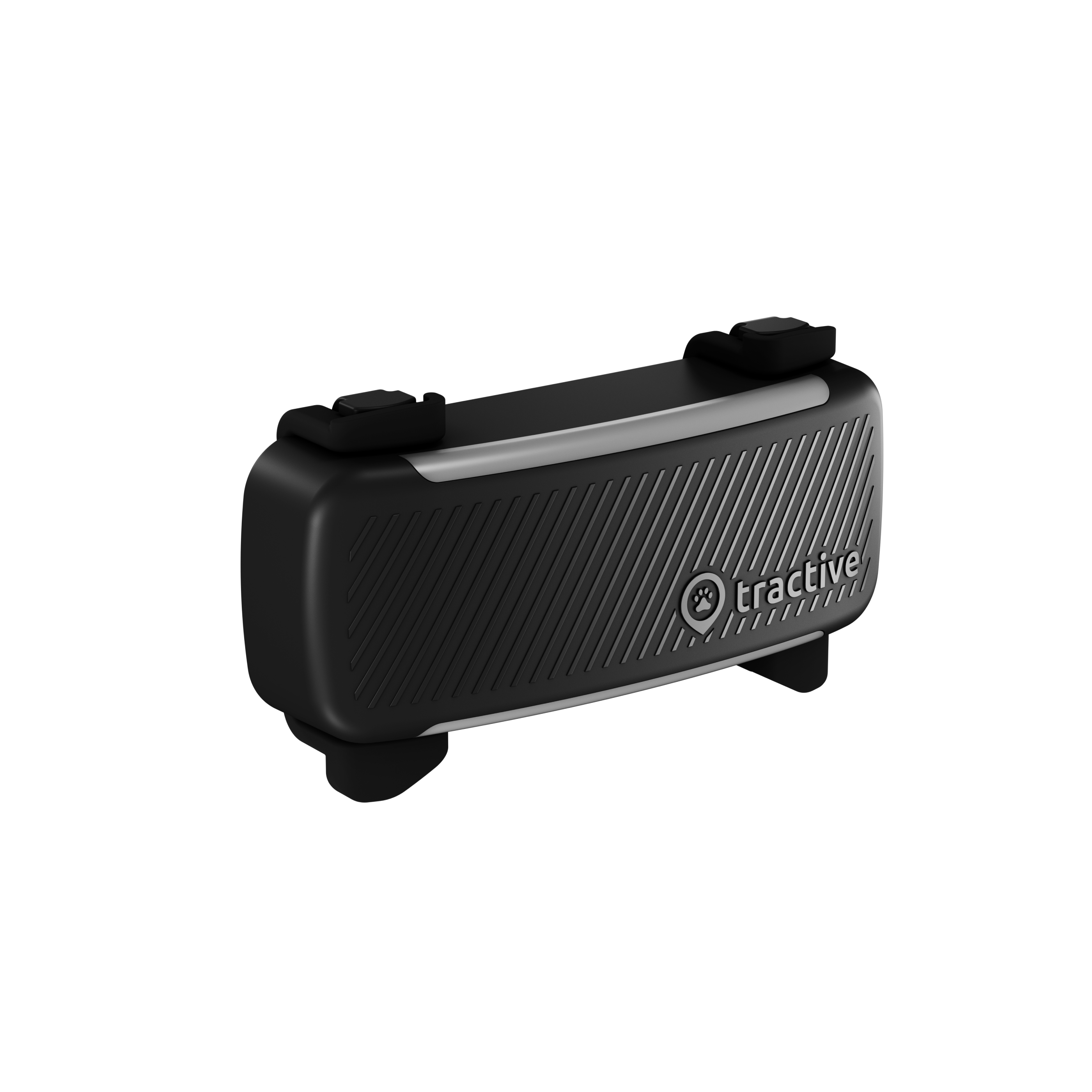
Tractive
$79Tractive DOG 6 GPS Tracker: Specs, Battery & Subscription
The Tractive DOG 6 is a compact, clip-on GPS tracker for dogs that combines real-time live GPS location, virtual fences and escape alerts, health and activity monitoring, and bark monitoring. It uses LTE‑M cellular connectivity across many countries, is IP68-rated (submersible), and requires an ongoing subscription for full functionality. Battery life ranges from up to 14 days in Power Saving Zones to about 10 days in typical use.
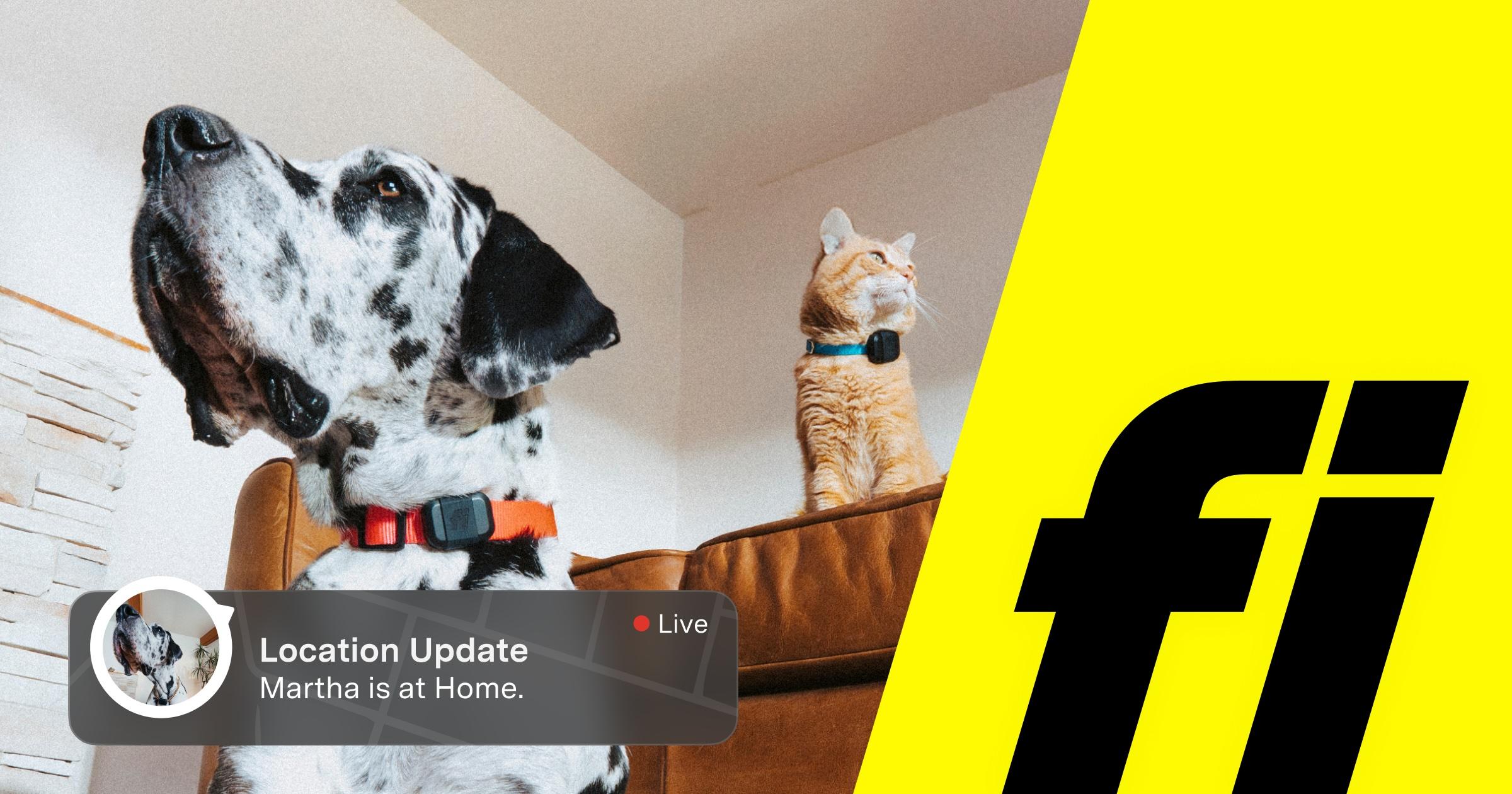
Fi
$189Fi Series 3+ Collar: Battery, Tracking & Subscription
The Fi Series 3+ is a smart dog collar that combines an integrated GPS/communication module and a built‑in LED band in a nylon collar. It offers AT&T LTE‑M cellular plus GPS location networking (with Wi‑Fi and Bluetooth), a battery Fi lists as lasting up to three months depending on use, and features aimed at off‑leash adventures and finding a lost dog. Cellular GPS tracking away from home requires an active Fi Membership subscription.

Garmin
$349.99Garmin Alpha TT 25: VHF Range, Specs & Alternatives
The Garmin Alpha TT 25 is a VHF dog tracking and training collar built for off‑leash hunting and field work beyond cellular coverage. The unit offers VHF tracking range up to 9 miles with a compatible Garmin handheld, position updates as frequently as every 2.5 seconds, integrated multicolor LED beacon lights, up to 68 hours of runtime in standard mode, and 18 levels of continuous and momentary stimulation plus tone and vibration. It requires a compatible Garmin handheld and operates via a handheld relay; no subscription is required for VHF tracking and training.
Sources & research
Read our research methodology and editorial standards →
- Manufacturer How Tractive GPS works
- Manufacturer Fi Series 3+ — battery and connectivity
- Manufacturer Garmin Alpha TT 25 — tracking system overview